



PERFECT FIT
Respirator Fit Testing
Sundström Safety is a Swedish family-owned company founded in 1926. With our headquarters and product development center located in Lagan, Småland, we have been a leader in the development and manufacture of world-class respiratory protection equipment for a century. Our modern production facility delivers solutions that protect workers around the world from hazards in demanding work environments.
As a family-owned company, we have built our business on innovation, quality, and a strong commitment to ensuring workplace safety. With more than 35 years of experience in respirator fit testing, we are a recognized leader in the field and a trusted partner for companies seeking to create safe working environments. We have been offering fit-testing services since 1989, and in 2006 we helped train companies when fit testing became a legal requirement within the asbestos industry.
Respirator Fit Testing
The use of a half mask or full-face mask that is either too small or too large can significantly reduce or eliminate the level of protection provided by the respirator.
Air will always follow the path of least resistance. If the mask does not seal properly against the face, contaminated air will bypass the filter and leak between the face and the mask instead.
Do not compromise on safety. Selecting the correct size and ensuring an adequate fit are essential to achieving the intended level of respiratory protection.
Why Perform a Fit Test?
Fit testing is strongly recommended for anyone using a tight-fitting half mask or full-face respirator.
The purpose of fit testing is to verify that the respirator’s size, shape, and design are suitable for the individual user. One size does not fit all; therefore, each user must identify the model and size that provides an effective seal.
Several factors may negatively affect respirator performance, including:
Beards
Large moustaches
Sideburns
Facial scars
Facial jewellery or piercings
An inadequate fit can result in exposure to hazardous airborne contaminants. Even low concentrations of gases, vapours, or particles may cause permanent and irreversible health effects over time.
For this reason, it is essential to maintain the highest practical level of respiratory protection throughout an individual’s working life.
Unable to Use Tight-Fitting Respiratory Protection?
For workers with beards, sideburns, or other factors that make the use of tight-fitting respirators unsuitable, Sundström Safety offers alternative solutions.
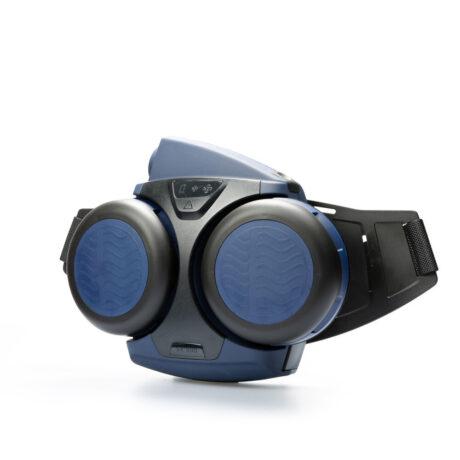
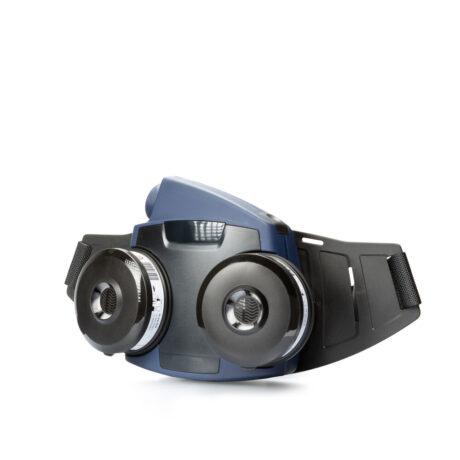
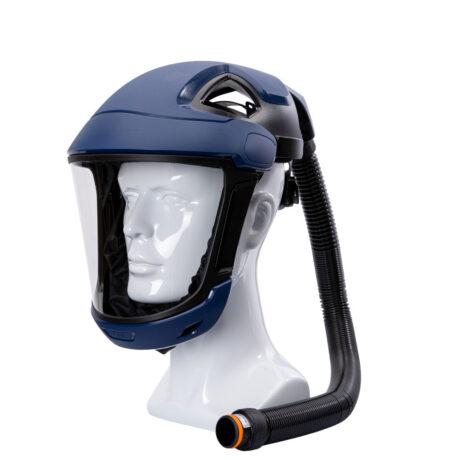
Our powered air-purifying respirators (PAPR) with positive pressure and loose-fitting headtops do not require a tight facial seal and can therefore be used without fit testing.
+
+


Quantitative Fit Testing Methods
Sundström offers quantitative fit testing for tight-fitting respiratory protection equipment in accordance with ISO 16975-3. Two approved methods are available.
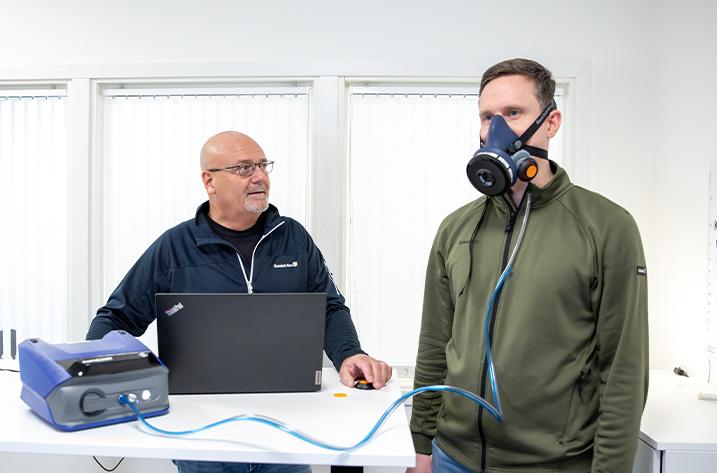
PortaCount™ Respirator Fit Tester
The PortaCount™ method is an advanced quantitative fit-testing technique.
The instrument measures the concentration of airborne particles both inside the respirator and in the surrounding atmosphere. By comparing these values, a fit factor is calculated that indicates how effectively the respirator seals against the user’s face.
This method provides accurate, objective, and repeatable results, making it particularly suitable for high-risk environments where proper respirator fit is critical for protection against airborne hazards.
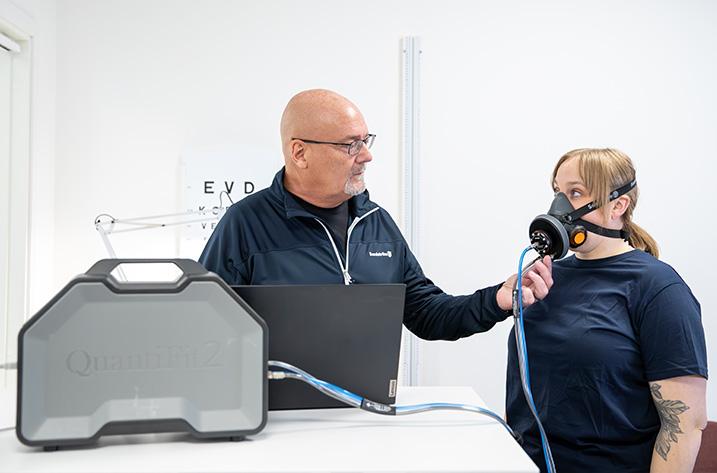
QuantiFit2® Respirator Fit Testing System
QuantiFit2® is a quantitative fit-testing method that uses controlled negative pressure to evaluate the integrity of the face seal.
The system creates a controlled vacuum inside the respirator and measures any leakage between the mask and the user’s face. This provides a precise indication of respirator fit and confirms whether the equipment can deliver the required level of protection.
The test is quick, straightforward, and independent of the user’s subjective perception, ensuring reliable and consistent results. Like PortaCount™, QuantiFit2® is particularly valuable in high-risk environments where proper fit is essential.
Qualitative vs Quantitative Fit Testing
Qualitative Fit Testing
During a qualitative fit test, the wearer is exposed to a substance with a distinct taste or odour.
Commonly used test agents include:
Bitrex® (bitter taste)
Saccharin (sweet taste)
Isoamyl acetate (“banana oil”)
The limitation of this method is that it relies on the user’s ability to detect taste or smell. Individuals with impaired senses due to illness or other factors may receive unreliable results.
This method is generally used only for half-mask respirators.
Quantitative Fit Testing
Quantitative fit testing measures respirator performance objectively by calculating a numerical fit factor.
Sundström recommends quantitative testing, particularly when workers are exposed to:
Carcinogenic substances
Sensitising agents
Other high-risk airborne contaminants
Because the result is based on measurements rather than perception, quantitative testing provides a higher level of confidence in respirator performance.

Technical Support
When choosing the right respiratory protection, it is important to know precisely what work the user will be undertaking and the risks involved.